Definition
White chocolate is made from cocoa butter, sugar and milk solids, with no brown cocoa solids, giving it an ivory color and a sweet, creamy taste.
White chocolate is a confection made from cocoa butter, sugar and milk solids, usually flavored with vanilla. It contains no non-fat cocoa solids, which is why it is ivory instead of brown and tastes of cream, milk and vanilla rather than roasted cocoa.
Is white chocolate "real" chocolate?
Yes. Its key fat comes straight from the cacao bean, and since 2004 the FDA has had a formal standard for it. In the US, white chocolate must contain at least 20% cocoa butter, at least 14% total milk solids and at least 3.5% milk fat, with no more than 55% sweeteners. Products that replace cocoa butter with other fats are "white coating" or "confectionery coating," not white chocolate.
Why flavor makers love it
- A blank canvas — its mild, creamy base lets fruit, tea, coffee and cereal flavors shine.
- Bright color — it shows off colorful inclusions like cereal pieces and dried fruit.
- Smooth melt — cocoa butter plus milk fat give a soft, luscious mouthfeel.
Handling tips
White chocolate is the most delicate style. It softens at lower temperatures than dark, scorches easily if you melt it for baking, and can pick up odors in the fridge. Store it sealed, cool and away from light, and see chocolate storage for more.
Polkadot white chocolate bars
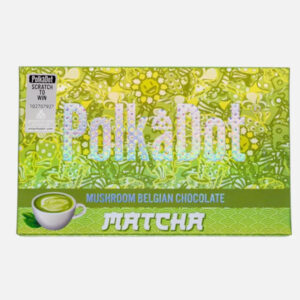
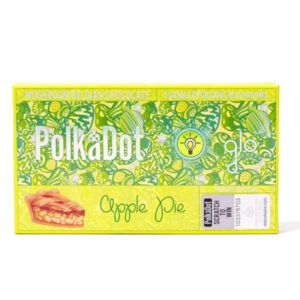
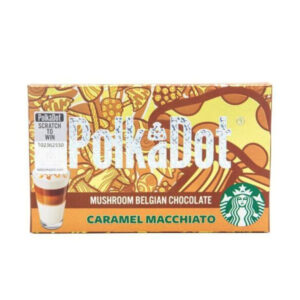
The Polkadot white chocolate collection is built on Belgian white chocolate and holds many of the brand's playful flavors, including the cereal-inspired bars and tea-inspired flavors such as the Matcha Chocolate Bar. Dessert fans can try the Apple Pie bar, which folds dried apples and pie crust into white chocolate, or the Caramel Macchiato bar for a coffee-house twist.
Frequently asked questions
Does white chocolate contain caffeine?
Very little. Caffeine and theobromine sit mostly in the brown cocoa solids, which white chocolate leaves out. Flavors such as matcha or coffee can add their own caffeine, though.
Shop related