Definition
Gluten-free means a food has no gluten, the protein in wheat, barley and rye. In the US, the label means under 20 parts per million of gluten.
Gluten-free describes food that does not contain gluten, a group of proteins found in wheat, barley, rye and their hybrids. Under FDA rules, a product labeled "gluten-free" in the US must contain less than 20 parts per million (ppm) of gluten, a level chosen because it can be reliably measured.
Is chocolate gluten-free?
Pure chocolate made from cacao, sugar, cocoa butter, milk and vanilla contains no gluten ingredients. Gluten usually enters through:
- Inclusions — cookies, wafers, pretzels, pie crust and many cereals are made with wheat or malted barley.
- Malt — barley malt is common in malted-milk candies and some cereals.
- Cross-contact — shared equipment can leave traces, which is why some labels say "may contain wheat."
How to shop gluten-free
- Look for an explicit gluten-free claim rather than assuming.
- Scan the ingredient list for wheat, barley, rye, malt and brewer's yeast.
- Be extra careful with bars named after cookies, cereals or pretzels.
- If you must strictly avoid gluten, the product label and your doctor's advice come first.
Gluten-free at Polkadot
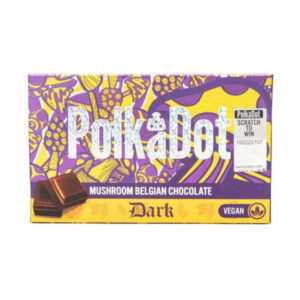
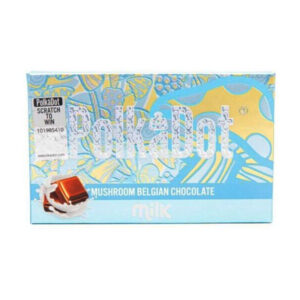
Many Polkadot product descriptions mention gluten-free, including the Polkadot Dark Chocolate, the Classic Belgian Milk Chocolate Bar, the chocolate truffles and the mushroom shots. Bars built around wheat-based inclusions deserve a closer look, so always check the specific product description and the packaging label. Our allergen entry covers how to read labels for other sensitivities.
Shop related