Definition
An allergen is a substance that can trigger an allergic reaction. US labels must declare nine major food allergens, including milk, peanuts and soy.
An allergen is a substance that can cause an allergic reaction in some people. For food labeling, US law names nine major food allergens that must be clearly declared: milk, eggs, fish, crustacean shellfish, tree nuts, peanuts, wheat, soybeans and sesame (sesame was added in 2023).
Allergens common in chocolate and candy
- Milk — in milk and white chocolate, many fillings and some dark chocolates.
- Soy — often from soy lecithin, an emulsifier.
- Tree nuts and peanuts — hazelnut fillings, praline pastes, peanut butter and nut inclusions.
- Wheat — cookies, wafers, pretzels and many cereals. See gluten-free.
- Eggs — in some nougats, marshmallows and baked inclusions.
How to read an allergen label
- Ingredient list — allergens appear by name, sometimes in parentheses, e.g., "lecithin (soy)."
- "Contains" statement — a summary line listing major allergens in the recipe.
- "May contain" or "made in a facility with" — voluntary cross-contact warnings. They are not ingredients, but people with severe allergies usually avoid these products.
Allergens and Polkadot products
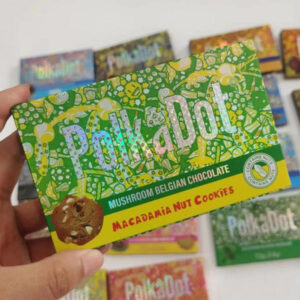
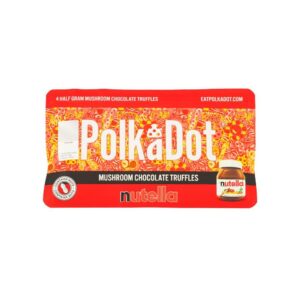
Some Polkadot flavors clearly point to nuts or milk in their names, such as the Macadamia Nut Cookies bar, the Nutella Truffles with their hazelnut filling, and the Reese’s-inspired bar, which is inspired by the classic peanut-butter-cup flavor and not affiliated with that brand. Our website does not show a full allergen panel for every product, so always read the physical packaging before eating, and do not rely on flavor names alone. If you have a severe food allergy, follow your doctor's guidance. Questions? Reach us via the contact page.
Shop related