Definition
Dairy-free means a food contains no milk or milk-derived ingredients such as butter, cream, whey, casein or lactose. It is not the same as vegan.
Dairy-free means a product contains no milk from cows or other animals and no ingredients made from milk, such as butter, cream, cheese, whey, casein or lactose. People choose dairy-free foods for many reasons, including milk allergy, lactose intolerance and vegan or personal preferences.
Dairy-free vs. related terms
- Dairy-free — no milk ingredients, but it could still contain eggs or honey.
- Vegan — no animal ingredients of any kind, so vegan foods are also dairy-free.
- Lactose-free — the milk sugar has been removed or broken down, but milk proteins remain. Not suitable for milk allergy.
- "Non-dairy" — in the US, this label can still allow milk derivatives like casein, so read ingredients carefully.
The US does not have a formal legal definition of "dairy-free," so the ingredient list and allergen statement are your most reliable guides.
Dairy in chocolate
Milk chocolate and white chocolate traditionally contain milk solids. Dark chocolate is often dairy-free, although some recipes add milk fat, and many are made on equipment shared with milk chocolate, which can lead to "may contain milk" warnings. Note that cocoa butter is a plant fat, not dairy, despite its name.
Dairy-free picks at Polkadot
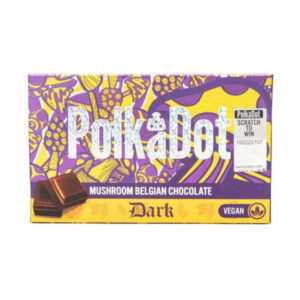
If you avoid dairy, the most straightforward place to look is the dark chocolate collection, where the Polkadot Dark Chocolate and Raspberry bars are described as vegan. The Vegan Magic Gummies are made from organic pectin and real fruit juice with no dairy. Anyone with a milk allergy should confirm the packaging label and allergen statement, since shared-equipment warnings are not always shown online.
Frequently asked questions
Is lactose-free the same as dairy-free?
No. Lactose-free products still contain milk proteins; only the milk sugar is removed. Dairy-free products contain no milk ingredients at all.
Shop related