Definition
Plant-based describes foods made mostly or entirely from plants. It is a broad marketing term, so check whether a product is also fully vegan.
Plant-based describes food made mainly or entirely from plant ingredients, such as fruits, vegetables, grains, nuts, seeds and plant oils, rather than animal products. In the US it is a marketing term, not a regulated label, so its exact meaning varies from brand to brand.
Plant-based vs. vegan
The two terms overlap but are not identical:
- Vegan is a clear standard: no animal-derived ingredients at all. See vegan chocolate.
- Plant-based can mean fully vegan, but some brands use it for products that are simply "mostly plants."
If you strictly avoid animal products, look for the word "vegan" or check the ingredient list for milk, eggs, honey, gelatin and animal-derived natural flavors.
Plant-based ingredients in sweets
Many confectionery building blocks are naturally plant-based:
- Cacao and cocoa butter
- Pectin, a fruit-based gelling agent used in place of gelatin
- Soy lecithin and sunflower lecithin
- Fruit juices, fruit purées and plant milks such as oat or coconut
Common animal-derived confectionery ingredients to watch for include gelatin, milk solids, butter, beeswax and carmine, a red color made from insects.
Plant-based choices at Polkadot
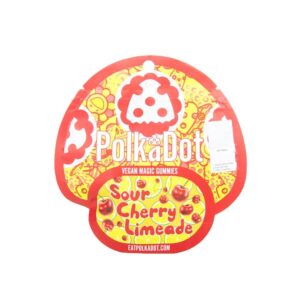
The Polkadot Vegan Magic Gummies are the brand's most clearly plant-based line: product descriptions say they are made with organic pectin and real fruit juice, with plant-based ingredients throughout. Try bright flavors like the Sour Cherry Limeade or the Piña Colada gummies. Our gummies flavors guide explains why pectin makes them a fit for plant-based eaters, and the dark chocolate bars include several options described as vegan.
Shop related