Definition
Bean-to-bar describes chocolate made by one maker from raw cacao beans all the way to finished bars, controlling roasting, grinding and conching.
Bean-to-bar describes chocolate made by a single maker who handles every step from dried cacao beans to the finished bar: sorting, roasting, cracking, winnowing, grinding, conching, tempering and molding. It is a hallmark of the small-batch craft chocolate movement.
Bean-to-bar vs. chocolatier
There are two different crafts in the chocolate world:
- Chocolate makers turn beans into chocolate. Bean-to-bar makers are chocolate makers.
- Chocolatiers start with finished chocolate, often professional couverture, and turn it into bars, truffles and filled bonbons, focusing on flavors, fillings and design.
Most of the world's famous confections, including many Belgian chocolates, are made by chocolatiers working with chocolate from specialist producers. Neither approach is automatically better; they aim for different experiences.
What bean-to-bar offers
- Origin character — makers often use single-origin beans and roast lightly to highlight fruity, floral or nutty notes.
- Short ingredient lists — many bars are just cacao and sugar.
- Transparency — makers often share where beans come from and how they were processed.
Where Polkadot fits
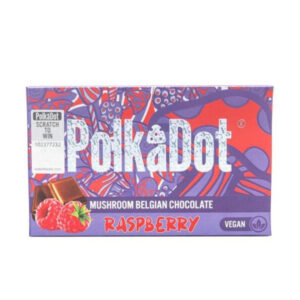
Polkadot is a flavor-first line rather than a bean-to-bar label. Its bars are built on Belgian chocolate and center on inventive recipes, from fruit-forward bars like Raspberry to dessert-inspired bars such as Strawberry Shortcake. If you enjoy exploring flavor combinations more than bean origins, the Polkadot flavors guide is a great place to start, and the bar collection lets you mix and match styles.
Shop related