Definition
Conching is the long mixing, heating and aerating step in chocolate making that removes harsh flavors and polishes texture until it feels silky.
Conching is a step in chocolate making where liquid chocolate is continuously stirred, scraped, heated and aerated for hours, sometimes days. It drives off unwanted acidic and bitter compounds, lowers moisture, and coats every tiny particle in cocoa butter, turning coarse chocolate into the smooth, mellow chocolate we know today.
A short history
In 1879, Swiss chocolate maker Rodolphe Lindt developed the first conching machine. Its shape reminded people of a conch shell, which gave the process its name. Before conching, eating chocolate was gritty and harsh; after it, chocolate could be silky enough to melt cleanly on the tongue.
What conching does
- Flavor development — volatile acids, like vinegar notes left from fermentation, evaporate, and flavors round out.
- Texture — friction polishes sugar and cocoa particles, and cocoa butter coats them evenly for a better mouthfeel.
- Viscosity — the chocolate becomes more fluid, which helps with tempering, molding and coating.
Longer isn't automatically better
Conching time is a style choice. Longer conching produces a very smooth, mellow chocolate, which is typical of many European and Belgian chocolates. Some bean-to-bar makers conch for a shorter time on purpose, to keep bright fruity or floral notes from single-origin beans. Too much conching can flatten a chocolate's character.
Tasting conching in Polkadot
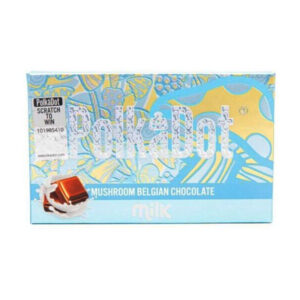
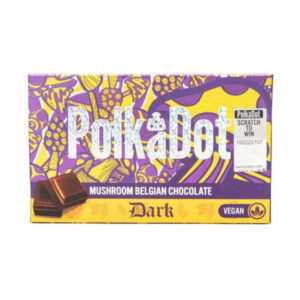
You cannot see conching on a label, but you can feel it. Let a square of the Classic Belgian Milk Chocolate Bar melt slowly on your tongue and notice the absence of grit and the rounded, gentle flavor. Then try the Polkadot Dark Chocolate for a bolder profile on the same smooth base. Our functional mushroom chocolate guide explains why Polkadot builds on Belgian chocolate.
Shop related